12 Household Items Still Worth Buying Vintage (And What to Look For)

12 Household Items Still Worth Buying Vintage (And What to Look For)
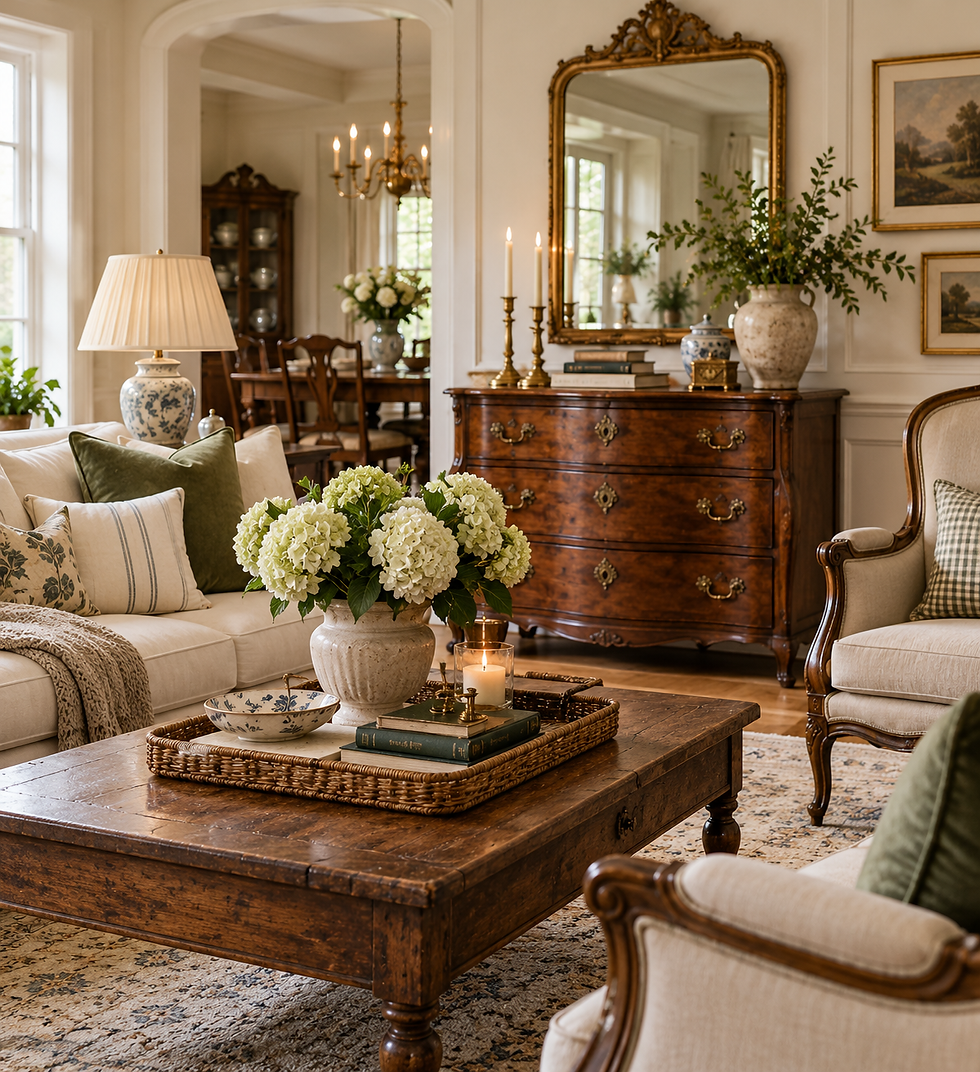
Because sometimes the best things for your home have already lived a little.
12 Household items still worth buying vintage
There's something rather wonderful about walking into an antique shop or estate sale.
You never know what you'll find.
A beautiful wooden dresser tucked into a corner. A set of floral dishes that reminds you of your grandmother's kitchen. An old brass lamp sitting quietly on a shelf, waiting for someone to notice it.
And then there are the things that make you stop and think.
They really don't make them like that anymore.
Now, I don't believe everything was better in the past. Some things have improved tremendously, particularly when it comes to safety, technology, and convenience.
But I do believe there are certain household items worth purchasing vintage.
Not simply because they're charming.
Not because they're old.
But because many were made using materials, construction techniques, and designs that still serve us beautifully today.
And sometimes, you can find those pieces for considerably less than a comparable new item.
So let's talk about twelve household items that deserve a second look when you're shopping vintage.
And just as importantly, let's discuss how to recognize a worthwhile purchase.
1. Solid Wood Dressers and Chests
<text preserveWhitespace>{""}</text>
If there's one category I always encourage people to explore when shopping secondhand, it's solid wood furniture.
A well-constructed vintage dresser can be a wonderful investment for your home.
Look for sturdy drawers, strong joints, solid construction, and hardware that feels secure.
Older furniture sometimes features dovetail drawer joints, thick wooden components, and details that are difficult to find in inexpensive modern furniture.
But don't assume every vintage dresser is well made.
Open every drawer.
Check for wobbling.
Look for signs of water damage, wood-boring insects, loose joints, and structural repairs.
And remember that a heavy piece of furniture isn't necessarily a quality piece of furniture.
The Eloise Tip: Check the back and underside of a dresser. The parts you don't immediately see often reveal a great deal about its construction.
One important safety consideration: dressers and other clothing-storage furniture can tip over, particularly around children. Use appropriate anti-tip anchoring hardware and follow current safety guidance.
2. Vintage Cast Iron Cookware
A good cast iron skillet can become one of the hardest-working pieces in a kitchen.
And vintage cast iron is especially interesting.
Older skillets from makers such as Griswold and Wagner are sought after by collectors, although condition, authenticity, and price vary considerably.
Some vintage skillets have smooth cooking surfaces, relatively manageable weight, and excellent heat retention.
But you don't need a collectible name to find a useful pan.
Inspect the cooking surface for cracks, severe pitting, and warping.
Make sure the skillet sits reasonably flat if you plan to use it on a flat cooktop.
Surface rust may be removable, but structural cracks are another matter.
Avoid cookware with unknown coatings or a history of nonfood use, particularly if contamination is possible.
And if you're purchasing a vintage enameled pan, inspect the interior enamel carefully. Chipped or deteriorating food-contact enamel can make it unsuitable for cooking.
Why it's worth considering: Properly maintained cast iron can remain useful for generations.
3. Wooden Dining Tables
I love a beautiful old dining table.
Not necessarily a perfectly polished one.
Sometimes the little scratches and signs of use are part of its appeal.
A well-made vintage wooden dining table can offer excellent craftsmanship and a sense of character that newer furniture sometimes lacks.
Look for stable legs, secure joints, a sound tabletop, and a finish that can be maintained.
Check for water damage, loose extensions, or warped leaves.
If the table has an extension mechanism, test it before purchasing.
And pay attention to the height.
Older tables aren't always identical in proportion to modern furniture, so make sure your chairs will fit comfortably.
A good dining table is more than a piece of furniture.
It's where ordinary dinners, birthday celebrations, holiday meals, and family conversations happen.
That's a piece worth choosing carefully.
4. Vintage Mirrors
Vintage mirrors can add extraordinary character to a room.
Ornate wooden frames.
Aged brass finishes.
Simple beveled glass.
Beautiful carved details.
And the occasional oversized mirror that makes you wonder how anyone managed to get it through the front door.
One of the lovely things about mirrors is that they can work in almost any decorating style.
A vintage mirror above a modern console table can be beautiful.
So can a traditional mirror in a simple bathroom or bedroom.
Before buying, inspect the glass for cracks, loose backing, and excessive deterioration of the reflective coating.
A little age-related spotting may be charming, but significant damage can interfere with the mirror's usefulness.
Make sure the frame is structurally sound and that the mirror can be hung safely using appropriate hardware.
The Eloise Rule: A vintage piece doesn't need to match everything in the room. Sometimes it simply needs to complement the room beautifully.
5. Brass Candlesticks and Decorative Hardware
If you've ever wandered through an estate sale, you've probably seen brass candlesticks.
Sometimes they're polished.
Sometimes they're tarnished.
Sometimes they're sitting in a box with three other things nobody seems particularly interested in.
And I think they're worth examining.
Vintage brass candlesticks can add warmth and character to a dining table, mantel, or bookshelf.
They pair beautifully with modern interiors, particularly when the rest of the room features neutral colors and natural materials.
But learn to distinguish solid brass from brass-plated pieces.
Look for wear, corrosion, and signs of the underlying material showing through.
A magnet can sometimes help identify certain nonbrass metals, but it isn't a definitive test.
Also check that candlesticks are stable and suitable for the candles you intend to use.
And if you love the appearance but prefer not to use an open flame, flameless taper candles can be a practical alternative.
Vintage cabinet knobs, drawer pulls, and other decorative hardware can also be wonderful finds.
Just measure carefully before purchasing.
6. Vintage Baskets
Now, you know I love a good basket.
And vintage baskets can be particularly beautiful.
Handwoven wicker.
Rattan.
Wooden splint baskets.
Old market baskets.
There are so many wonderful possibilities.
A sturdy vintage basket can hold blankets, magazines, craft supplies, guest towels, or everyday household items.
And unlike many purely decorative objects, baskets can earn their place in a room by being genuinely useful.
Look for broken weaving, mold, insect damage, and weakened handles.
Give the basket a careful inspection before bringing it into your home.
If it has a strong musty odor or visible mold, I would generally leave it behind.
And remember that some old baskets may be too fragile to carry heavy objects.
They can still be beautiful for light storage or display.
7. Vintage Wooden Chairs
A beautifully made wooden chair can last an astonishingly long time.
But this is one category where I want you to be particularly careful.
A chair can look wonderful and still be structurally unsafe.
Check every joint.
Sit in it carefully if the seller permits.
Look for movement in the legs, seat, and back.
Examine previous repairs.
A chair that needs minor refinishing may be worth purchasing.
A chair with significant structural problems may require professional restoration that costs more than you expect.
And if you're purchasing upholstered chairs, inspect the fabric and padding for odors, stains, pests, and deterioration.
Sometimes a simple wooden chair is the better vintage purchase.
Especially if you want something practical for everyday use.
8. Vintage Table Linens
This is one of my favorite categories because vintage linens can be both beautiful and useful.
Think embroidered tablecloths.
Linen napkins.
Delicate runners.
Crocheted details.
Beautiful cotton tea towels.
And handworked pieces that may have taken someone hours to create.
You can often find these tucked into drawers at estate sales or folded in baskets at antique shops.
Before purchasing, inspect them in good light.
Look for holes, weakened fibers, stains, and discoloration.
Check whether the fabric feels strong enough for its intended use.
Some vintage linens can be gently washed and returned to everyday service.
Others are better preserved as decorative or sentimental pieces.
And if you find a beautifully embroidered tablecloth that doesn't quite fit your dining table?
Consider using it as a decorative layer, provided its condition allows.
A lovely piece doesn't always have to serve its original purpose.
9. Vintage Serving Trays
A beautiful serving tray is one of those household items that can do several jobs.
Serve coffee.
Hold a collection of candles.
Organize perfume bottles.
Display a vase of flowers.
Or create a little arrangement on an ottoman or sideboard.
Vintage wooden, brass, and silver-plated trays can be especially charming.
Look for stable handles, sound construction, and surfaces that suit your intended use.
If you're serving food directly on a tray, make sure the material and finish are suitable for food contact.
Otherwise, use the tray decoratively or place food on appropriate dishes.
The Eloise Tip: A vintage tray is one of the easiest ways to make ordinary household items look like an intentional arrangement.
10. Vintage Bookshelves and Small Cabinets
A good bookshelf or cabinet can be surprisingly expensive to purchase new.
That's why I always think it's worth looking at secondhand options.
Small wooden cabinets, bookcases, and sideboards can provide practical storage while adding personality to a room.
Look for stable construction, secure shelves, and doors that open and close properly.
Check the interior for moisture damage and unpleasant odors.
Measure carefully.
And remember that tall or heavy furniture may need appropriate wall anchoring to prevent tipping.
A beautiful old cabinet can become a linen cupboard, dining-room storage piece, or place to display treasured collections.
Sometimes the best storage solutions weren't originally designed for the room where we eventually use them.
11. Vintage Picture Frames
This is a category I think people overlook.
Beautiful frames can be expensive.
Especially larger wooden frames with carved details, interesting finishes, or substantial construction.
At antique shops and thrift stores, you can sometimes find lovely frames for much less than comparable new ones.
And don't be discouraged if the artwork inside isn't something you'd choose for your home.
You may be purchasing the frame rather than the picture.
Look for sound corners, secure backing, and glass in good condition.
Check the dimensions carefully.
Then use the frame for a family photograph, a botanical print, or another piece of art you love.
A collection of vintage frames can create a beautiful gallery wall without requiring everything to match.
12. Vintage Decorative Pottery and Vases
Some of the loveliest vintage pieces are also the simplest.
A ceramic vase.
A stoneware pitcher.
A small pottery bowl.
An old decorative vessel with an interesting shape.
These pieces can bring texture and personality to a room.
And they often work beautifully alongside modern furnishings.
But here's an important distinction.
Decorative pottery isn't necessarily safe for food or drink.
Older glazes may contain lead or other substances of concern, and the safety of an unknown vintage piece cannot be determined by appearance alone.
If you don't know whether a piece is food-safe, use it decoratively rather than for serving or storing food.
The same caution applies to vintage pitchers and bowls.
A beautiful old pitcher can still hold dried flowers.
A lovely bowl can display decorative objects.
You don't have to use something for its original purpose to appreciate it.
Vintage Doesn't Automatically Mean Better
Now, before we all run off to the nearest estate sale, I want to make something clear.
Not everything old is worth buying.
And not everything modern is inferior.
There are wonderful manufacturers producing beautifully made home goods today.
There were also plenty of inexpensive, poorly constructed products made decades ago.
Age alone tells you very little about quality.
Instead, look at materials, construction, condition, usefulness, and price.
Ask yourself whether the item actually serves a purpose in your home.
And consider whether repairs, cleaning, refinishing, or transportation will add significantly to the cost.
A $40 dresser that requires $500 worth of restoration may not be the bargain it first appears to be.
Unless, of course, it's a piece you genuinely love and the restoration is worth it to you.
Vintage Household Items I'd Be More Careful About Buying
There are certain categories where nostalgia shouldn't outweigh safety.
Old electrical appliances: Vintage toasters, heaters, lamps, and other electrical items may have deteriorated wiring or outdated safety features. Have questionable electrical items evaluated by a qualified professional before use.
Older baby equipment: Cribs, car seats, and similar products may not meet current safety standards. Avoid relying on vintage baby gear for safety-critical use.
Old food-storage containers and dishes: Unknown plastics, damaged glazes, and certain vintage ceramics may present food-contact concerns.
Antique painted furniture: Older finishes may contain lead. Avoid sanding or disturbing unknown old paint without appropriate precautions, especially in homes with children.
Used upholstered furniture and mattresses: Inspect carefully for pests, odors, moisture damage, and sanitation concerns. Some used mattresses are better avoided altogether.
Vintage cookware with damaged coatings: Structural cracks, chipped enamel, or unknown surface treatments can make a piece unsuitable for cooking.
The goal is to bring useful, beautiful things into your home.
Not introduce unnecessary risks.
The Eloise Vintage Shopping Test
Before purchasing a vintage household item, ask yourself these seven questions.
Is it well made? Examine the materials, joints, stitching, hardware, and overall construction.
Is it in good condition? Look for damage, pests, odors, and signs of poor repairs.
Is it safe for the way I intend to use it? Consider electrical, structural, food-contact, and other safety concerns.
Can it be cleaned or repaired? Understand what restoration might involve before purchasing.
Is the price reasonable? Compare similar items, ideally using actual sold prices rather than asking prices alone.
Do I have a place for it? Measure before buying furniture or large decorative pieces.
Would I still love it if it weren't worth anything? This may be my favorite question.
Because even if something turns out not to be a valuable collectible, it can still be a wonderful addition to your home.
And that's a kind of value worth appreciating.
A Little Slice of the Pie
I think one of the loveliest things about shopping vintage is the reminder that beautiful homes don't have to be filled entirely with new things.
A sturdy dresser can have another chapter.
A forgotten mirror can find a new wall.
A set of embroidered napkins can return to the dinner table.
And a beautiful old basket can become part of an everyday household routine.
There's something thoughtful about choosing things that have already been made, appreciating their craftsmanship, and finding ways to use them again.
But remember, the goal isn't to collect old things simply because they're old.
It's to recognize the pieces that are still useful, still beautiful, and still worth bringing home.
Because good quality doesn't have an expiration date.
And sometimes, the most wonderful things for your home are the ones someone else has already loved.
With love,
Eloise ♡

Comments